
That fresh, just-cleaned carpet smell can be reassuring until you realise it often comes from strong fragrances and chemical residue. A proper biodegradable carpet cleaning products review matters because families, pet owners and businesses want clean carpets without swapping one problem for another. If you are trying to balance stain removal, indoor air quality and surface safety, the label alone does not tell the full story.
What a biodegradable carpet cleaning products review should actually assess
The word biodegradable sounds simple, but it is not a guarantee of overall safety or cleaning performance. A product may break down over time and still contain heavy fragrance, leave residue behind, or struggle with oily marks and pet accidents. For carpet care, the better question is whether the formula cleans effectively, rinses well, and breaks down into less harmful components under normal conditions.
That means any useful review should look at four things together – cleaning power, residue level, ingredient profile and suitability for the type of carpet. Wool, synthetic blends and high-traffic commercial carpet tiles can all respond differently. The best biodegradable options are the ones that remove soil and odour without over-wetting fibres or leaving a sticky film that attracts more dirt a week later.
Biodegradable carpet cleaning products review: what separates the good from the average
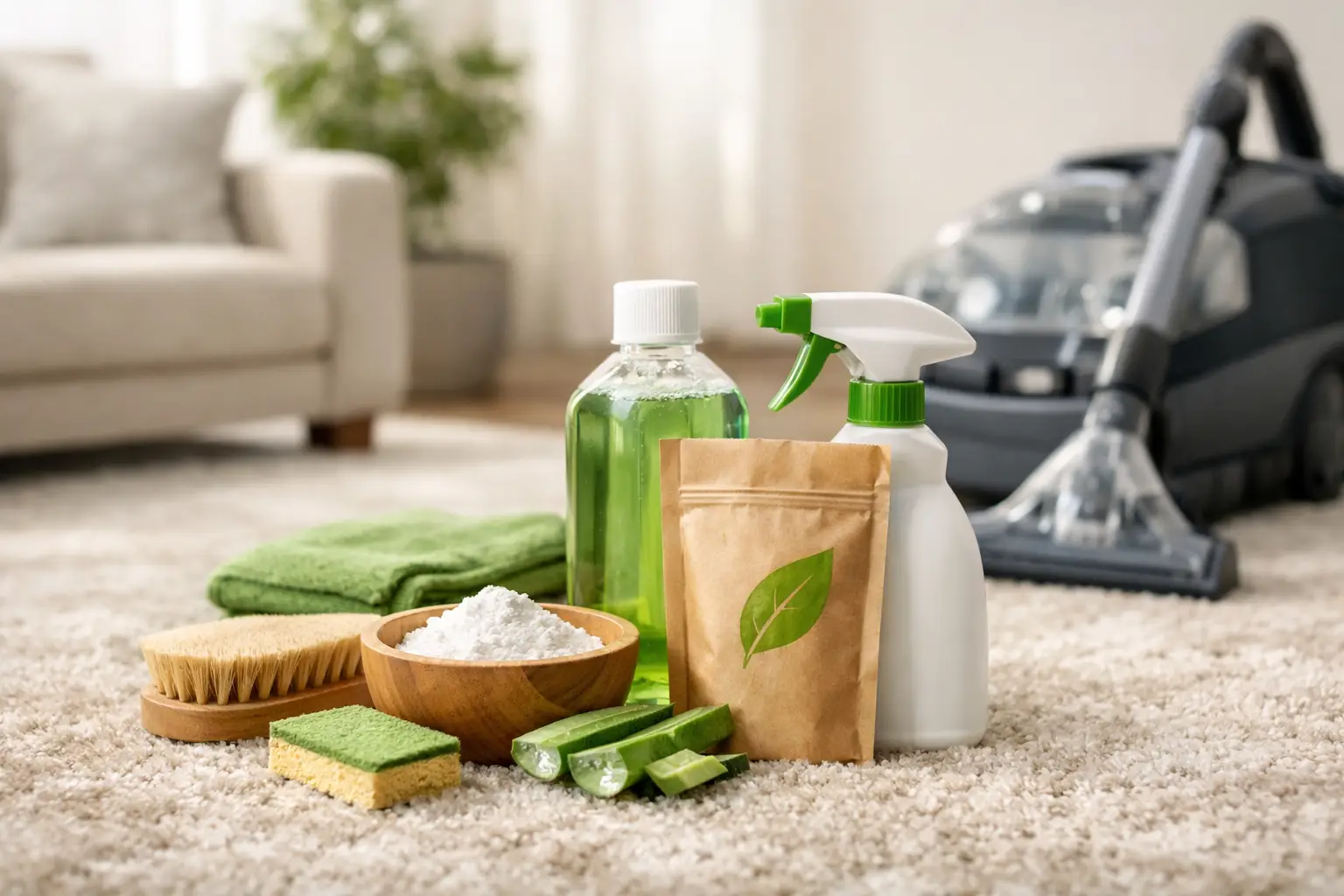
A strong biodegradable carpet cleaner usually relies on plant-based surfactants, low-foaming chemistry and a pH level that suits carpet fibres. These products tend to perform well in regular maintenance cleaning and light to moderate staining. They are often a very good fit for family homes, rental properties and offices where people want a safer clean and fewer lingering fumes.
Where some products fall short is on heavy staining. Grease, red drinks, makeup, tracked-in soil and pet urine can push milder formulas past their limits. In those cases, biodegradable products may still work, but they often need the right method behind them. Agitation, dwell time, hot water extraction and proper drying make a bigger difference than the bottle design or green branding.
This is where many reviews miss the point. A product can seem weak when it is actually being used the wrong way. Equally, a product can seem impressive in the short term while leaving residue that causes rapid resoiling. For carpets, the finish after drying matters just as much as the immediate result.
Ingredient transparency matters more than marketing claims
If a label leans heavily on terms like natural, green or non-toxic but says very little about what is inside, be cautious. Better products are more open about surfactants, enzymes, fragrance and whether the formula is designed for extraction machines or spot treatment. You do not need a chemistry degree, but you do want enough information to know what is touching the carpet your children and pets sit on.
Fragrance is a common issue. Some biodegradable products still use strong perfume to create a clean smell. For sensitive households, that can be irritating even if the base formula is environmentally friendlier than standard alternatives. Low-odour or lightly scented products are often a better option when asthma, allergies or small children are part of the picture.
Enzyme-based products can be excellent, but not for every mess
Enzyme cleaners deserve a mention because they are often included in eco-friendly ranges. For food spills, organic soiling and pet accidents, they can be very effective. They break down the source of the stain or odour rather than covering it up.
The trade-off is speed and specificity. Enzymes usually need time to work, and they are not a one-size-fits-all answer for every mark. For synthetic dye stains or old set-in discolouration, you may need a different treatment entirely. That does not make enzyme products poor performers. It simply means matching the formula to the problem.
How biodegradable cleaners perform in real homes
In practical terms, biodegradable carpet cleaning products are usually strongest in households that clean regularly and deal with everyday wear rather than severe neglect. Mud at the door, food drops under the dining table, mild pet odour and the dull traffic lane through the lounge are all realistic jobs for a quality eco-conscious formula.
Busy homes in Melbourne’s western suburbs often face a mix of dust, wet-weather foot traffic and family mess. In those conditions, a biodegradable product can absolutely hold its own, provided the carpet is vacuumed properly first and the cleaner is not over-applied. Too much product, even a gentle one, can create its own issue. Over-wetting slows drying and increases the chance of wicking or musty smells.
For end-of-lease situations or carpets that have gone a long time without professional attention, expectations should be more measured. Biodegradable cleaning products can still be the right choice, but the result depends on fibre condition, stain age and whether the carpet has been damaged permanently. No honest review should suggest otherwise.
Steam cleaning, dry cleaning and product choice
Products do not work in isolation. The cleaning system matters.
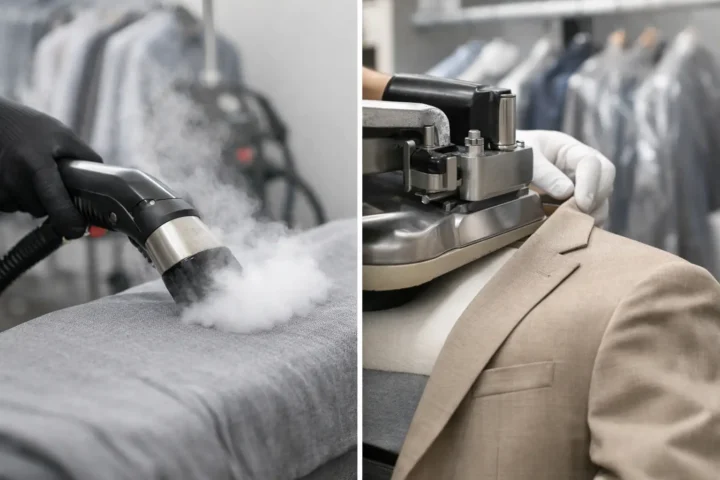
With hot water extraction, often called steam cleaning, biodegradable solutions can perform very well because the method helps flush out suspended soil and leftover detergent. This is one of the best setups for reducing residue when carried out properly. It suits many residential carpets and is especially useful where hygiene and odour control matter.
Dry carpet cleaning or low-moisture methods can also use biodegradable products, but the chemistry has to be right. Because less water is used, residue control becomes even more important. A low-quality formula in a low-moisture process may leave the carpet looking decent at first and then feeling tacky underfoot once traffic returns.
That is why a product review without discussing method is incomplete. The same biodegradable cleaner may rate highly in extraction and poorly in a bonnet or encapsulation setup if used outside its intended purpose.
Who should choose biodegradable carpet cleaning products
For families with toddlers, pets or anyone sensitive to harsh smells, biodegradable formulas are usually worth serious consideration. They help reduce unnecessary chemical load in the home, and many do a very good job on general carpet maintenance. They also align well with households trying to make practical, lower-impact choices without turning cleaning into a complicated project.
Small business owners can benefit as well, particularly in offices, childcare environments and consulting spaces where strong chemical odours are not ideal. Cleaner indoor environments are not just about appearance. They shape how the space feels for staff, clients and visitors.
The main caution is this: if the carpet has severe staining, urine contamination or long-term neglect, the product should not be chosen on eco claims alone. You need the right treatment plan. Sometimes that means a biodegradable pre-spray with a targeted spotter. Sometimes it means repeated flushing. Sometimes the carpet is simply past the point where any cleaner can restore it fully.
What we would look for before using any product in a client’s home
A dependable product should be biodegradable, suitable for the carpet fibre, low in residue and effective enough to justify the effort. We would also want it to support a safe indoor environment rather than masking odours with perfume. If it cannot rinse out well, it is not a strong choice regardless of how green the packaging looks.
This is also where professional judgement matters. The best results often come from pairing an eco-friendly formula with commercial-grade extraction, controlled moisture and realistic stain assessment. Green Lion Carpet Clean has built much of its service approach around that balance – strong results, safer products and no overblown promises.
So, are biodegradable carpet cleaning products worth it?
In most cases, yes. A good biodegradable carpet cleaner is not a compromise product. It can deliver excellent maintenance cleaning, support healthier indoor conditions and reduce the harsh chemical smell many people dislike. For routine carpet care, it is often the smarter long-term option.
The catch is that biodegradable does not automatically mean best. Some formulas are genuinely well-made, while others rely on eco language more than performance. The difference shows up in residue, rinsing, odour control and how the carpet looks a few days later, not just in the first ten minutes after cleaning.
If you are choosing between products or deciding whether to book a professional clean, focus less on the label headline and more on the likely result for your carpet, your household and your day-to-day comfort. Clean floors should feel fresh, safe and easy to live with – not like a chemistry experiment that happens to smell like lemons.