
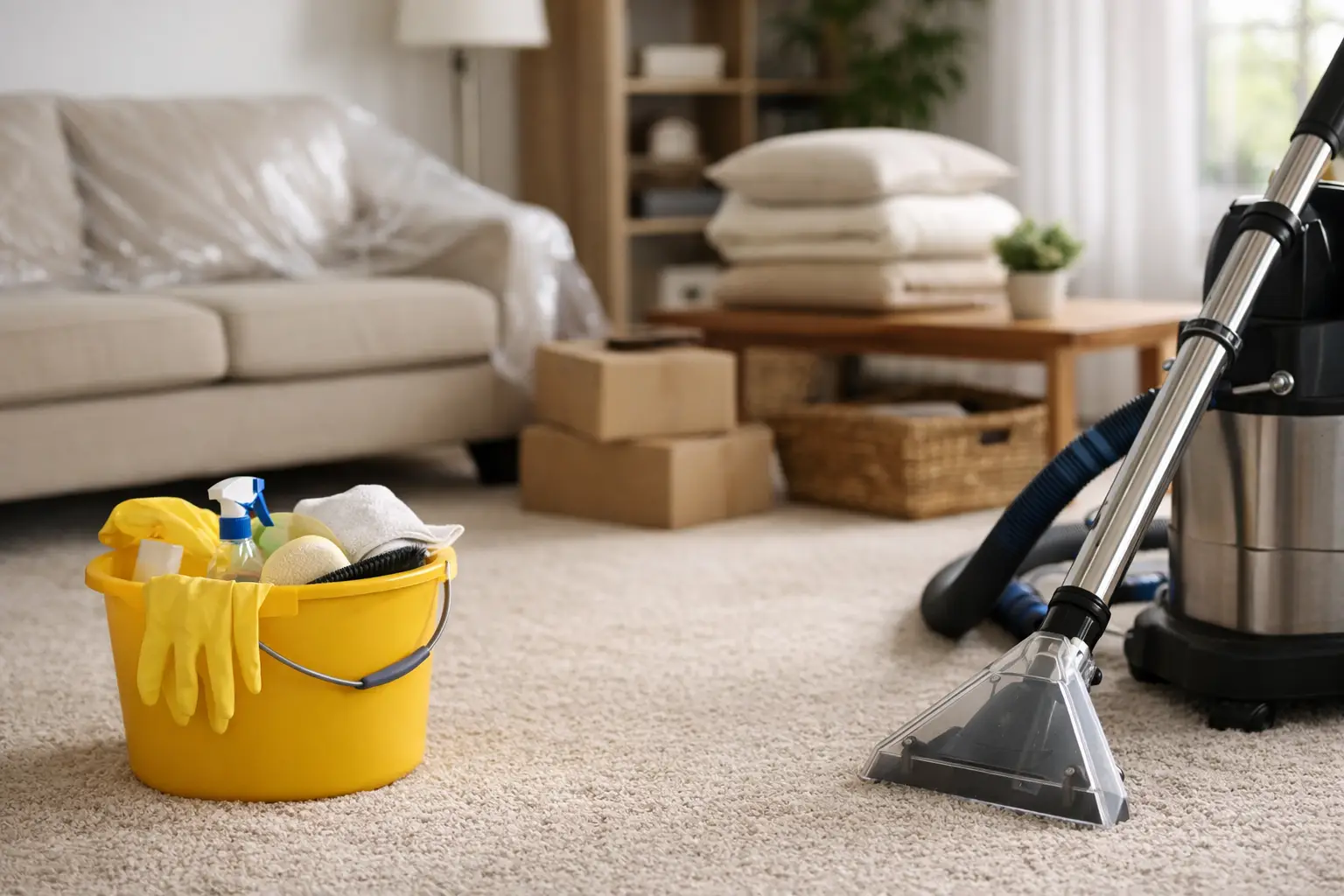
The fastest way to get better carpet cleaning results is to make the space easy to clean before the technician arrives. If you want to prepare home for carpet cleaning properly, you do not need a full weekend of effort. A few smart checks around furniture, floors, pets and access points can make the job quicker, safer and more effective.
That matters more than most people realise. Professional equipment can remove deep soil, stains, allergens and odours, but it still works best when the carpet is accessible and the cleaner is not spending half the appointment shifting obstacles. Good preparation also helps protect fragile items, reduces delays and gives your carpet the best chance to dry evenly.
Why it helps to prepare home for carpet cleaning
Carpet cleaning is not just about running a machine over the floor. Steam cleaning and other professional methods rely on strong extraction, targeted stain treatment and enough open space to work methodically across the room. When floors are cluttered, cleaners may need to work around items or skip tight areas that could otherwise be cleaned properly.
Preparation also reduces risk. Small toys, cords, lightweight décor and unstable furniture can slow the job down or create hazards. If you have children or pets at home, a bit of planning keeps everyone out of the way while cleaning products and equipment are in use, even when those products are family-safe and eco-friendly.
For renters, there is another benefit. If you are booking carpet cleaning ahead of an end-of-lease inspection, clear rooms and easy access help the cleaner focus on the carpet itself rather than general room setup. That can make a real difference when presentation matters.
Start with clutter, not deep cleaning
You do not need to mop, scrub or vacuum every corner like you are replacing the professional service. The goal is simply to remove the things that stop the technician doing a thorough job.
Pick up loose items from the floor first. Think shoes, baskets, kids’ toys, pet bowls, floor lamps, chargers, small stools and anything stored along skirting boards. If it sits on the carpet and can be moved easily, move it. This gives better access to edges and open walking paths for hoses and equipment.
If there is clothing, paperwork or other household clutter on chairs or spare-room floors, shift that too. It sounds basic, but clutter often ends up being the main reason a room takes longer than expected.
A light vacuum can help if the carpet has visible fluff, crumbs or pet hair sitting on the surface. It is not always essential because professional cleaning removes embedded soil, but a quick pass can be useful in high-traffic homes, especially where pets shed heavily. If time is short, prioritise clearing over vacuuming.
Furniture – what to move and what to leave
This is where many people overthink it. You usually do not need to empty the entire room, but you should move small and easily portable pieces if you can. Dining chairs, ottomans, pot plants, side tables and lightweight décor are worth taking out of the area before the appointment.
Larger furniture depends on the job, the room and the cleaning method. Beds, lounges, entertainment units and heavy dining tables are often left in place or cleaned around unless agreed otherwise. Trying to move bulky furniture yourself can cause damage to your back, the item or the carpet underneath.
If you are unsure, ask in advance what the cleaner expects you to move. Some companies can reposition certain pieces, while others prefer customers to handle fragile or valuable items themselves. The main thing is to avoid assumptions on the day.
It is also worth checking underneath furniture that has not moved in a while. Dust build-up, pet hair and hidden spills are common, and if a section is going to be exposed for cleaning, it helps to know what is there.
Protect fragile and valuable items
Remove anything breakable from shelves, side tables and low surfaces near the work area. Vibrations from hoses, movement around furniture and general foot traffic can be enough to knock over delicate pieces. Picture frames, ceramics, glass décor and sentimental items are better placed somewhere safe until the job is finished.
The same goes for electronics with cords running across carpeted areas. Tidy or unplug them where practical so the cleaner has a clear path.
Focus on stains and problem areas before the visit
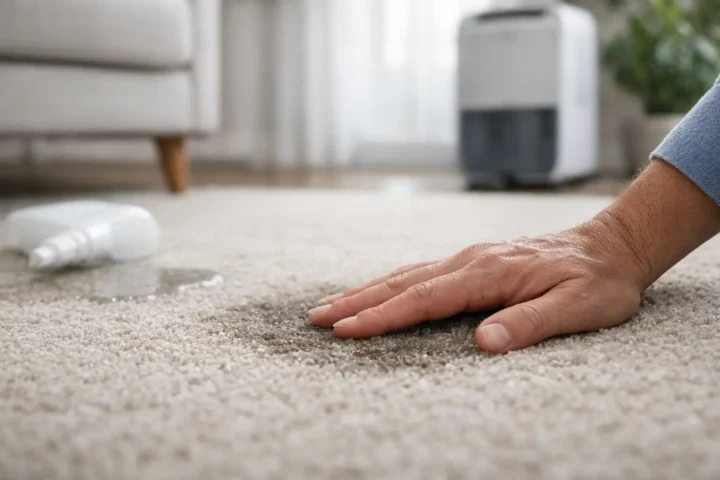
If there are spots you are especially concerned about, make a note of them. Pet accidents, wine marks, tracked-in dirt and mystery stains from months ago should be pointed out at the start. A technician can often treat these areas more effectively when they know the history.
Do not apply random supermarket stain products right before the appointment unless you know they are suitable. Some over-the-counter treatments can set a stain, bleach the carpet or leave residue that interferes with professional products. If you have already treated a spot before, mention that as well. It can affect the approach.
Odours are worth flagging too. If a room smells musty or there has been repeated pet soiling, the cleaner may need to use a more targeted treatment than standard cleaning alone.
Make access simple
A good carpet cleaning appointment starts before the machine comes through the door. Clear access from the entrance to the rooms being cleaned so technicians can bring in hoses and equipment without stepping over bikes, prams, laundry baskets or boxes.
If you live in a unit, townhouse or home with tight access, mention stairs, parking limits or gate codes when booking. This is especially useful in busy suburban areas where parking can be hit and miss. A bit of notice helps avoid delays and keeps the appointment running on time.
Secure pets before the team arrives. Even calm animals can become stressed by unfamiliar noise and movement, and open doors can create an escape risk. Keeping pets in a separate room or outside area is safer for them and easier for everyone.
Children should also stay clear of freshly cleaned areas and active equipment. If the appointment falls during school holidays or after school, plan ahead so there is another room they can use comfortably.
On the day of cleaning
Try to have the rooms ready a little before the booked time rather than scrambling when the van pulls up. This gives you a chance to do a final walk-through and point out any issues, from old stains to loose carpet edges or problem areas with odour.
It also helps to keep expectations realistic. Not every stain can be removed completely, especially if it has dyed the fibres, been treated incorrectly before, or has been there for a long time. A good cleaner will be upfront about that. Preparation improves the result, but it does not rewrite the condition of the carpet.
If you are having multiple rooms cleaned, ask which areas will be finished first and where you can walk if needed. Some homes need a practical approach so people can still access bedrooms, bathrooms or the kitchen while carpets are drying.
Aftercare starts before the cleaner leaves
Part of preparing well is thinking about what happens next. Freshly cleaned carpet needs time to dry, and that dry time depends on airflow, weather, carpet thickness and how heavily soiled the carpet was to begin with. In Melbourne, that can vary a lot from one day to the next.
Open windows if conditions allow, use fans where practical and keep foot traffic light until the carpet is properly dry. If the cleaner places protective tabs or blocks under furniture, leave them in place for as long as advised. They help prevent colour transfer and marks while the carpet is still damp.
Avoid putting rugs, baskets or other items straight back onto the carpet. It is tempting to restore the room immediately, but giving the carpet breathing room helps it dry more evenly and stay fresher.
Common mistakes people make when they prepare home for carpet cleaning
The biggest one is leaving preparation until the last minute. That usually leads to rushed decisions, missed clutter and confusion about what furniture should be moved.
Another common mistake is assuming more DIY product means better results. Spraying stains heavily before a professional visit often creates extra work and sometimes makes the mark harder to remove.
Some people also forget about access. Locked gates, crowded driveways, rooms full of storage tubs and pets roaming freely can all slow down a straightforward job.
If you want the appointment to run smoothly, keep it simple. Clear the floors, move what is reasonable, protect fragile items, flag stains and make sure the cleaner can get in and get to work.
For most households, that is enough. You do not need perfection before a professional clean, just a bit of preparation and a clear path to the areas that matter most. When that is done well, the cleaner can focus on what you are actually paying for – a fresher, healthier carpet that looks better and lasts longer.