


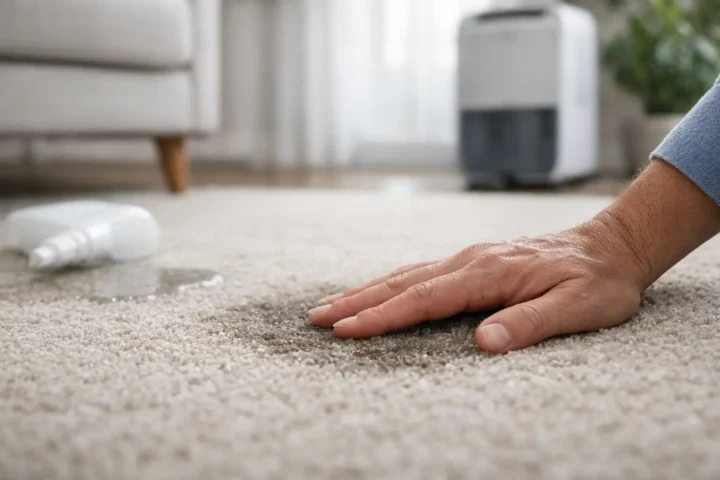
A red wine spill on a light carpet rarely looks serious in the first five seconds. Ten minutes later, after paper towels, supermarket spray and a bit of scrubbing, it can look much worse. That is usually the point people ask the real question – can professional cleaning remove stains, or is the damage already done?
The honest answer is yes, often, but not always completely. Professional cleaning can remove many stains, improve others dramatically, and stop some marks from becoming permanent. The result depends on what caused the stain, how long it has been there, what surface it is on, and what has already been applied at home.
That might sound less certain than you hoped, but it is actually good news. A trained cleaner is not guessing. They are identifying the stain, matching it to the right treatment, and using equipment that reaches far deeper than standard DIY products.
Can professional cleaning remove stains from every surface?
Professional cleaning works across more than just carpet. It can be highly effective on upholstery, rugs, mattresses, tile, grout and some hard floors, but each surface responds differently.
Carpet fibres, for example, tend to trap spills below the surface. What looks like a small mark on top may have soaked into the backing. Upholstery is trickier again because fabric dyes, textures and padding all react differently to moisture and stain treatments. Grout has the opposite issue – stains sit in porous lines that collect years of dirt, soap residue and foot traffic.
This is why one-size-fits-all stain removers often disappoint. A coffee stain on a synthetic carpet, a pet accident on a wool rug and grease on a dining chair all need different treatment. Professional cleaners assess the fibre or surface first, then choose the safest and most effective method.
What decides whether a stain can be removed?
The biggest factor is the type of stain. Some are water-based and easier to lift. Others contain oils, dyes, acids or proteins that bind more stubbornly to fibres and surfaces.
Fresh tea, soft drink, mud and general tracked-in dirt are usually more responsive than old blood, ink, rust, turmeric or dye-based makeup. Pet stains can be especially difficult because the visible mark is only part of the problem. Urine can soak into underlay, leave salts behind and create lingering odours even after the surface looks better.
Time matters as well. The longer a stain sits, the more chance it has to set. Heat can make that worse. So can vigorous scrubbing, which pushes the stain deeper and may damage the pile or spread the affected area.
Previous DIY attempts often change the outcome. Off-the-shelf products can leave sticky residue that attracts more soil. Some bleach the fibres. Some react with the original spill and make professional treatment harder. It does not mean the stain is impossible, but it can reduce the chance of full removal.
How professional stain removal actually works
Good stain removal is not just spraying a stronger chemical and hoping for the best. It follows a process.
First comes inspection. The cleaner looks at the stain type, age, fibre, backing, colourfastness and overall condition of the surface. This step matters because the wrong product can cause more harm than the stain itself.
Next comes pre-treatment. Specialised solutions are used to break down the stain, loosen soil and prepare the area for extraction. In some cases, agitation is gentle and controlled. In others, dwell time does more of the work.
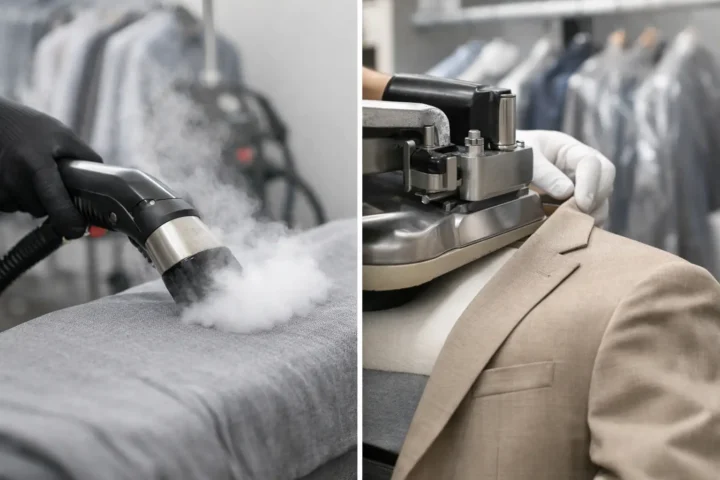
Then the cleaner uses the right cleaning method. For carpets and many upholstered items, hot water extraction is common because it flushes out soil and residue from deep in the fibres. Dry cleaning methods may be better for delicate fabrics or situations where low moisture is important. For tile and grout, pressure-assisted cleaning and targeted solutions are often needed to lift built-up grime.
Finally, the area is checked again. If a stain remains, further spot treatment may be possible. Some marks lighten in stages rather than disappearing all at once.
Stains that usually respond well
Many common household stains improve significantly with professional treatment, especially when addressed early.
Food spills, tea, coffee, soft drink, muddy footprints, general grey traffic lanes and many fresh pet accidents are often very treatable. Everyday family wear is exactly where professional equipment makes a difference. It can remove not just the visible mark, but also the residue and embedded soil around it, which helps the whole area look even again.
On upholstery, body oils, light food spills and general dullness often respond well. On tile and grout, what looks like permanent discolouration is often years of compacted dirt that can be lifted with the right process.
This is why professional cleaning can feel like a reset rather than a touch-up. The goal is not simply to mask the stain. It is to clean the surface properly and restore a fresher, more hygienic finish.
Stains that may not come out fully
Some stains leave permanent change behind. This is where clear advice matters.
Bleach spots are not stains at all – they are colour loss. Burn marks, wear patches and fibre damage also cannot be cleaned away because the material itself has changed. Old rust, certain inks, hair dye, strong cosmetics, paint, and deeply set tannin stains can be unpredictable. Sometimes they lift well. Sometimes they fade but remain visible.
There is also a difference between a stain and a shadow. If carpet fibres are worn, crushed or chemically altered, the area may still look marked even after the contamination is gone. Honest professional cleaners will explain that before treatment, not after.
Can professional cleaning remove stains better than DIY?
In most cases, yes. The gap is not just stronger products. It is training, fibre knowledge and extraction power.
DIY cleaning usually treats the top of the stain. Professional cleaning aims to remove what is in the fibres, backing or porous surface as well. That matters because leftover residue attracts dirt and causes the mark to reappear. Many people think the stain has come back, when in reality it was never fully removed.
There is also a safety advantage. Delicate rugs, natural fibres and upholstered furniture can be damaged by over-wetting or the wrong chemical mix. Professional cleaning reduces that risk because the method is matched to the material.
For households with kids, pets or allergy concerns, professional cleaning also helps with hygiene. Removing the stain is one benefit. Removing odours, bacteria, trapped dirt and allergens is another.
When to call a professional cleaner
The best time is earlier than most people think. If the stain is dark, spreading, smelly, on a delicate surface, or in a high-visibility area, professional treatment is worth considering straight away.
That is especially true for end-of-lease cleans, preparing a home for sale, or refreshing family spaces that get heavy use. Bedrooms, lounge rooms, hallways and dining areas tend to carry a build-up that spot cleaning cannot fix. In those cases, treating one mark without properly cleaning the surrounding area can make the stain stand out more, not less.
If you are in Melbourne’s western suburbs and dealing with pet accidents, food spills, tracked-in dirt or tired-looking carpet, local experience helps. A cleaner who handles these issues every day will know what is realistic and what treatment gives you the best chance of a good result.
What you can do before the cleaner arrives
Blot, do not scrub. Use a clean white cloth or paper towel and work gently from the outside in. If it is a fresh spill, remove as much liquid as possible. Avoid hot water unless you know the stain is safe to treat that way.
Do not mix random products from under the sink. Dishwashing liquid, supermarket stain sprays and homemade vinegar solutions can all have a place, but the wrong combination can set the stain or leave residue behind. If you are unsure, it is better to do less and preserve the chance of professional removal.
Photos can help too. If the stain looked different when fresh, that information may help identify it later.
The real answer most people need
When people ask if professional cleaning can remove stains, they are usually asking something more practical: is this worth trying before I replace the carpet, throw out the rug or give up on the lounge?
Very often, yes. Professional cleaning can save surfaces that look beyond help, especially when the issue is contamination rather than permanent damage. Even when a stain does not disappear completely, a major improvement in appearance, hygiene and odour can make the room feel right again.
That is why realistic advice matters more than big promises. The right cleaner will tell you what is likely to come out, what may only improve, and how to protect the surface afterwards. For most homes and businesses, that honest approach gets better results than another round of scrubbing ever will.
If a stain is bothering you every time you walk past it, it is probably time to have it assessed properly. A quick expert look can tell you whether it needs treatment, a full clean, or simply a better method than the one already tried.


[…] method is also a strong choice for end-of-lease carpet cleaning, annual maintenance, and stain treatment after spills have soaked in. Mud, food, tracked-in grime, pet accidents and body oils can settle […]