
You notice it first in the small things – more sneezing in the lounge, itchy eyes after sitting on the floor, or that stale feeling in a room even after a tidy-up. If you want to stop carpet allergens spreading indoors, the issue is rarely just the carpet itself. It is usually a mix of dust mites, pet dander, pollen, tracked-in dirt and trapped moisture building up over time, then getting stirred back into the air every time someone walks through the room.
Carpet can make a home feel warmer, quieter and more comfortable, especially for families. The trade-off is that it also acts like a filter. That is not always a bad thing. In fact, carpet often holds particles until they are removed, which can be better than hard surfaces where dust moves around easily. The problem starts when those particles are not lifted out properly.
Why carpet allergens spread indoors so easily
Most indoor allergens are light enough to move with daily activity. Walking across the carpet, kids playing on the floor, pets running through the house and even opening windows on a windy day can all disturb what has settled into the fibres. Once that happens, those particles do not stay put. They move into upholstery, mattresses, curtains and the air you breathe.
In Melbourne homes, seasonal pollen and fine outdoor dust can make this worse. If you are in a busy western suburbs area with regular foot traffic in and out, carpet can collect more than you think. Shoes, pet paws and prams can all bring in debris that sinks below the surface, where ordinary quick vacuuming may not reach.
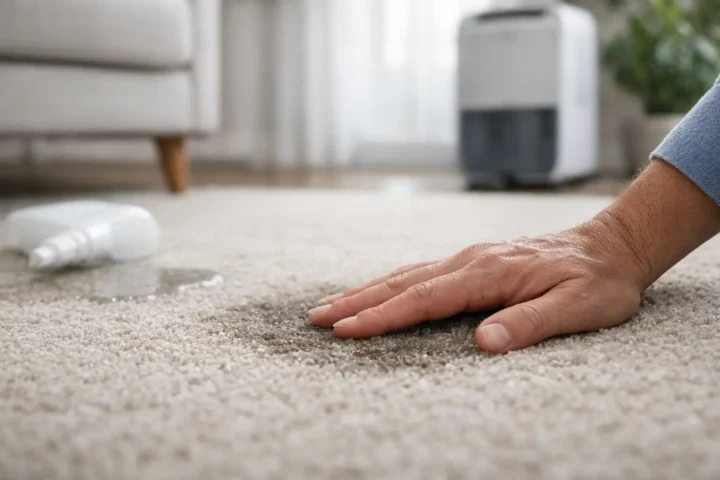
Humidity also matters. When carpet stays damp for too long after spills, DIY shampooing or poor ventilation, it creates conditions that suit dust mites and microbial growth. You may not see it, but you can often notice the results in odours, irritation and a room that never feels truly fresh.
Stop carpet allergens spreading indoors with better daily habits
The biggest mistake most households make is waiting until carpet looks dirty. Allergens are often invisible, so by the time the carpet appears dull or marked, there is usually already a deeper build-up.
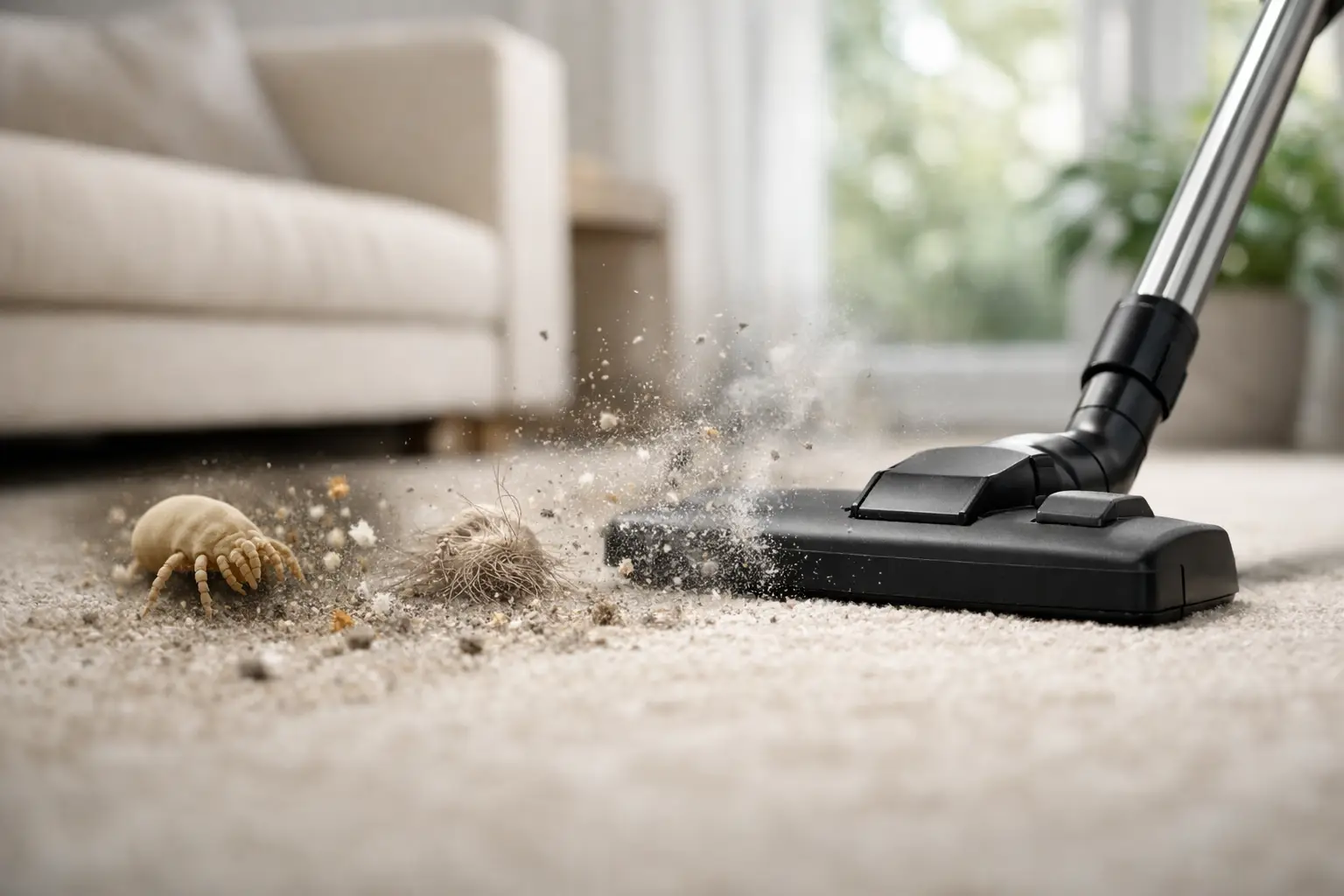
Vacuuming matters, but technique matters just as much. A strong vacuum with proper filtration helps trap fine particles instead of pushing them back into the room. Slow, overlapping passes do a better job than a quick once-over, especially in high-use areas like hallways, living rooms and bedrooms. If someone in the home has allergies, vacuuming two to three times a week in those areas can make a noticeable difference.
Shoes-off habits at the door also help more than people expect. A large share of indoor debris is simply tracked in. If that feels unrealistic for every visitor, even using door mats inside and out reduces what ends up in the pile.
Pet owners need to be even more consistent. Pet hair is obvious, but dander is the real issue. It settles deep into carpet and soft furnishings, and it keeps circulating if not removed thoroughly. Regular grooming and washing pet bedding can reduce the load before it reaches the floor.
What DIY cleaning gets right – and where it falls short
There is nothing wrong with spot cleaning spills quickly. In fact, that is one of the best ways to prevent long-term contamination. Blotting instead of scrubbing, using a suitable cleaning product and drying the area promptly all help keep carpet in better condition.
Where DIY methods often fall short is deep cleaning. Hire machines and supermarket carpet shampoos can freshen the surface, but they do not always extract enough moisture or lift embedded debris from the base of the fibres. Sometimes they leave behind residue, which attracts more soil and can make the carpet feel dirty again sooner.
This is where an it depends answer is important. If the carpet is lightly used and well maintained, home cleaning may be enough between professional visits. But if you have pets, young children, asthma concerns, recurring odours or heavy foot traffic, deeper extraction is usually the safer option.
The role of professional cleaning in allergen control
A proper deep clean is not just about appearance. It is about removing what regular maintenance leaves behind. Professional hot water extraction, when done correctly, can flush out trapped dirt, dust mite waste, pollen and other fine particles from deep within the carpet pile.
That matters for homes where allergy symptoms seem to linger no matter how often surfaces are wiped down. Many customers focus on visible stains, but hidden build-up is often the bigger hygiene issue. Deep extraction equipment has far more power than domestic units, which means better soil removal and faster drying when handled by an experienced technician.
Eco-friendly products also make a difference for households trying to avoid harsh chemical residues. A family-safe approach is especially important in homes with kids crawling on the floor, pets lying on the carpet or anyone sensitive to strong cleaning agents.
For some properties, dry carpet cleaning can also be suitable, particularly where minimal downtime is important. The best method depends on the carpet type, level of soiling and how quickly the area needs to be back in use. The right cleaner should explain that clearly rather than pushing one method for every job.
How to stop carpet allergens spreading indoors after cleaning
Cleaning is only part of the job. If the room stays closed up, cluttered or damp afterwards, allergens can build back up quickly.
Good ventilation helps carpets dry faster and reduces the moisture that dust mites thrive on. Open windows when weather allows, use ceiling fans or air movement where possible, and avoid putting furniture back too soon if the carpet is still damp underneath.
It also helps to treat the carpet as part of a bigger indoor hygiene picture. Upholstery, rugs, mattresses and fabric bedheads can all hold the same irritants. If one surface is cleaned but the others are neglected, particles can simply move around the home again. This is why some households benefit from occasional whole-room or whole-home cleaning rather than tackling one patch at a time.
If you have had renovation work done, brought home a new pet or gone through pollen-heavy weeks, it is worth stepping up your cleaning routine for a while. These periods often increase indoor particle levels without people realising it.
When carpet may be making allergies worse
Not every carpeted home is a problem, but there are signs the flooring may be contributing. One is symptoms that are stronger in carpeted rooms than in tiled or timber areas. Another is a musty smell that returns soon after cleaning. You might also notice that the carpet feels slightly sticky, dull or quick to resoil, which can point to residue or deeper trapped matter.
Older carpets can be more difficult to restore if the fibres are worn and holding years of compacted debris. In those cases, maintenance still helps, but expectations should be realistic. Cleaning can improve hygiene and freshness, though it may not completely reverse long-term wear or contamination.
Rental properties often need extra attention here. End-of-lease carpet cleaning is not just about presentation for an inspection. It can also reset the hygiene of the home, especially if previous tenants had pets, smoked indoors or did not maintain the flooring well.
A practical routine that works for most homes
For most households, the best approach is simple: vacuum high-traffic carpet several times a week, deal with spills straight away, reduce what gets tracked in from outside and book periodic professional deep cleaning before the carpet reaches the point where it looks obviously dirty.
Busy families do not need a perfect routine. They need a realistic one. A consistent basic routine beats occasional over-cleaning every time. If allergies are a concern, timing matters too. Cleaning before spring peaks, after winter when homes have been closed up, or after pet accidents can make a real difference.
For homes in Point Cook, Werribee, Hoppers Crossing and nearby western suburbs, where dust, changing weather and family foot traffic are part of daily life, a preventive approach usually works better than waiting for odours or irritation to become obvious.
The goal is not to sterilise your home. It is to keep allergens from building up to the point where they keep circulating through the rooms you use every day. When carpet is cleaned properly and maintained consistently, it can stay comfortable underfoot without quietly working against your indoor air quality.
A healthier home often comes down to what you remove, not just what you can see.