


When your toddler is crawling on the carpet, the dog is stretched out in the lounge, and everyone is barefoot by the end of the day, “clean enough” stops being good enough. A proper family safe carpet sanitising process is about more than removing visible marks. It needs to deal with hidden soil, bacteria, allergens and odours without leaving behind harsh chemical residue.
For many households, that balance is the hard part. You want carpets that look better and smell fresher, but you also want to know the cleaning method is suitable for children, pets and everyday family life. The right process does both.
What a family safe carpet sanitising process actually means
A family safe carpet sanitising process is not just a quick spray and pass with a machine. It is a method that cleans deeply, lifts contamination from the fibres, and uses products chosen for safety as well as performance. That matters in homes where carpets cop spills, muddy shoes, pet accidents and a lot of daily traffic.
There is also a difference between making carpet smell pleasant and properly sanitising it. Fragrance can mask odours for a while, but it does not remove the source. Real sanitising starts with soil and moisture control, because bacteria and odour-causing build-up tend to settle deep in the pile and under the surface.
In practical terms, the safest approach usually combines pre-inspection, targeted treatment, hot water extraction or another suitable deep-clean method, and strong rinse and recovery. The goal is simple – remove as much contamination as possible while leaving the carpet fresh, hygienic and ready for normal use.
Why harsh chemical cleaning is not always the best option
It is easy to assume stronger chemicals mean better results. In reality, they can create new problems, especially in family homes. Some products leave sticky residues that attract more dirt. Others carry strong odours that linger indoors and can be unpleasant for young children, pets, or anyone sensitive to scents.
There is also the issue of over-wetting. If a carpet is soaked without proper extraction, moisture can remain trapped in the underlay. That can contribute to musty smells, slow drying and ongoing hygiene issues. A safe process is not only about the solution used. It is also about the equipment, the technician’s judgement and how well moisture is removed.
That is why professional carpet cleaning should never be one-size-fits-all. A synthetic rental carpet with general wear may respond well to one treatment, while a wool carpet in a family home may need a gentler method. The safest result comes from matching the process to the carpet, not forcing the carpet to fit the process.
The key stages in a family safe carpet sanitising process
The first step is inspection. This sounds basic, but it shapes the entire job. A technician should identify the carpet type, the level of soiling, any pet staining, areas of heavy traffic and spots that may need special treatment. This helps avoid using the wrong products or too much moisture.
Next comes dry soil removal. Carpets can hold a surprising amount of dust, grit, hair and debris. If that dry matter is not lifted first, it can turn to muddy residue during wet cleaning. Thorough vacuuming or pre-extraction soil removal makes the deep clean more effective and supports better hygiene outcomes.
Pre-treatment follows. This is where eco-friendly, biodegradable cleaning solutions can make a real difference. They help break down oils, tracked-in dirt, food spills and general build-up without relying on unnecessarily aggressive chemistry. In homes with children and pets, that matters.
After that, the main sanitising stage begins. In many cases, hot water extraction is the best option because it flushes out embedded soil, allergens and residues while extracting them from the carpet. When done properly, it does not just clean the surface. It reaches deeper into the fibres and removes what a standard household machine usually leaves behind.
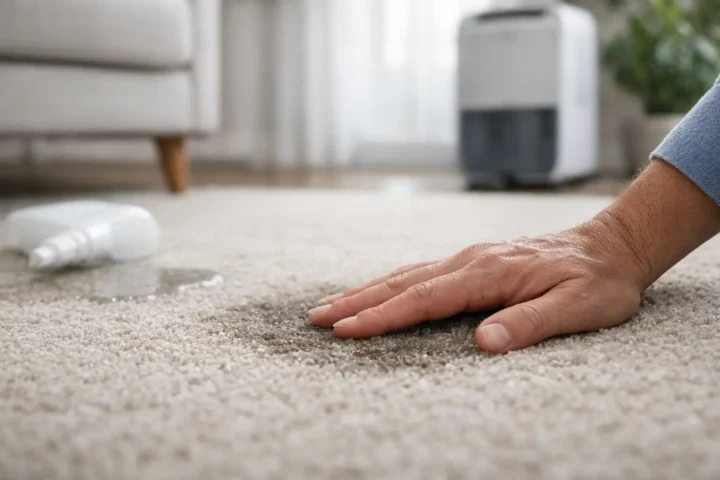
Some situations call for specialist treatment. Pet accidents, for example, often need more than a surface clean. Urine can soak below the pile and leave both staining and odour in the underlay. In those cases, targeted odour and stain treatment is part of the sanitising process, not an optional extra.
The final stage is drying and post-clean assessment. Good airflow, proper extraction and realistic advice on drying times all matter. A carpet that is cleaned well but left too damp is not a finished job.
How to tell if a carpet cleaning method is family-safe
The first sign is transparency. A trustworthy cleaner should be able to explain what products they use, why they use them and whether they are suitable for homes with kids and pets. If the process sounds vague, rushed or built around strong deodorisers rather than proper extraction, that is worth questioning.
The second sign is residue control. Family-safe cleaning should leave carpets clean, not coated. Residue is one of the biggest reasons carpets resoil quickly after a cheap clean. If a carpet feels sticky or attracts dirt again within days, the process was not as safe or effective as it should have been.
The third sign is realistic expectations. No genuine professional should promise every stain will vanish or every carpet will dry instantly. Some older stains are permanent. Some carpets need longer drying time depending on ventilation, humidity and fibre type. Honest advice is usually a better indicator of quality than big claims.
Steam cleaning, dry cleaning and what depends on your home
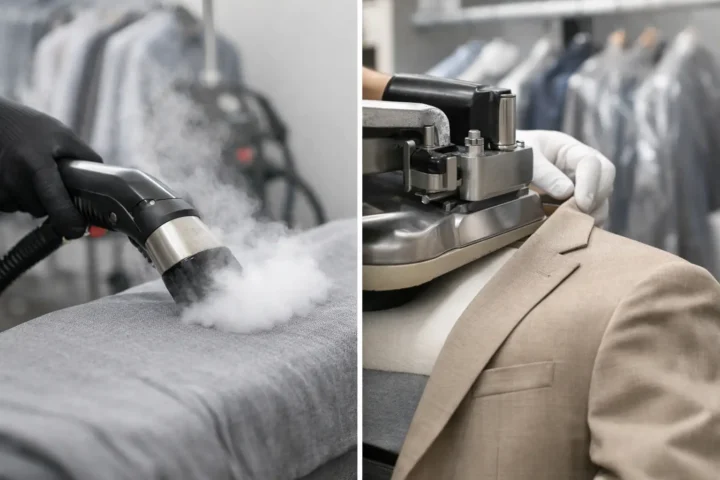
People often ask whether steam cleaning is always the safest choice. Often, yes, but not always. Hot water extraction is excellent for deep cleaning and sanitising heavily used family carpets, especially when allergens, pet odours or built-up grime are involved. It delivers a more thorough flush than most low-moisture methods.
That said, some carpets and some situations suit dry carpet cleaning better. If a carpet is delicate, needs faster turnaround, or cannot tolerate as much moisture, a low-moisture process may be the smarter option. The safest method is the one that gets the best clean without damaging the fibres or creating drying issues.
This is where experience matters. A cleaner who understands both methods can recommend the right one based on your carpet, household use and concerns. That is far more useful than pushing the same package for every home.
What families in busy homes should prioritise
If your carpet sees constant foot traffic, snacks on the floor, pet mess and school-run chaos, focus on three things – hygiene, residue-free cleaning and odour control. Appearance matters, but health and comfort matter more.
For households managing asthma, allergies or pets, deep extraction is usually worth prioritising over quick cosmetic cleaning. It removes more of what settles into the carpet over time. For end-of-lease cleans or pre-sale presentation, appearance may sit higher on the list, but even then, a proper sanitising process gives a better finish and a fresher feel.
In Melbourne’s western suburbs, where busy family homes often juggle pets, entertaining and everyday wear, regular professional cleaning can help extend carpet life as well. Dirt is abrasive. Left in the fibres, it grinds away at the carpet every time someone walks across it.
Choosing the right professional cleaner
A good provider should offer clear quoting, explain the process in plain language and stand behind the work. That matters because carpet cleaning is not only about equipment. It is about judgement, product selection and taking the time to treat problem areas properly.
If a company uses eco-friendly products, strong extraction equipment and a satisfaction guarantee, that is a solid sign they are serious about both results and accountability. Green Lion Carpet Clean, for example, focuses on biodegradable solutions and family-safe methods because that is what local households actually need – not just a carpet that looks cleaner for a day or two.
When you book, it helps to mention any concerns upfront, whether that is pet odour, young children, allergy issues or specific stains. The more a cleaner knows before they arrive, the better they can tailor the job.
A clean carpet should feel like one less thing to worry about. When the process is genuinely family-safe, you are not choosing between hygiene and peace of mind. You are getting both.


[…] Preparation also reduces risk. Small toys, cords, lightweight décor and unstable furniture can slow the job down or create hazards. If you have children or pets at home, a bit of planning keeps everyone out of the way while cleaning products and equipment are in use, even when those products are family-safe and eco-friendly. […]