
A mattress can look clean and still be holding onto sweat, dust mites, dead skin, spills and the kind of odours that build up slowly in a busy home. That is why mattress sanitising for families is less about appearances and more about creating a healthier place to sleep, especially when kids, pets and allergies are part of daily life.
For many households, the mattress is one of the most used and least cleaned items in the home. Sheets get washed, doonas get aired out, but the mattress underneath often goes untouched for months or even years. If you have children climbing into bed after sport, a toddler in the middle of toilet training, or a pet that sneaks onto the bed when nobody is looking, that buildup happens faster than most people realise.
Why mattress hygiene matters more in family homes
Family homes simply put more pressure on mattresses. They deal with more body heat, more accidental spills, more crumbs, more pet hair and more general wear. Add in asthma, eczema or hay fever, and a mattress can become one more place where irritation builds up.
Dust mites are a big part of the problem. They thrive in warm, humid environments and feed on the skin cells we naturally shed. While they are tiny, the allergens they leave behind can affect sleep quality and trigger sneezing, congestion and itchy skin. For children, that can mean restless nights and rough mornings.
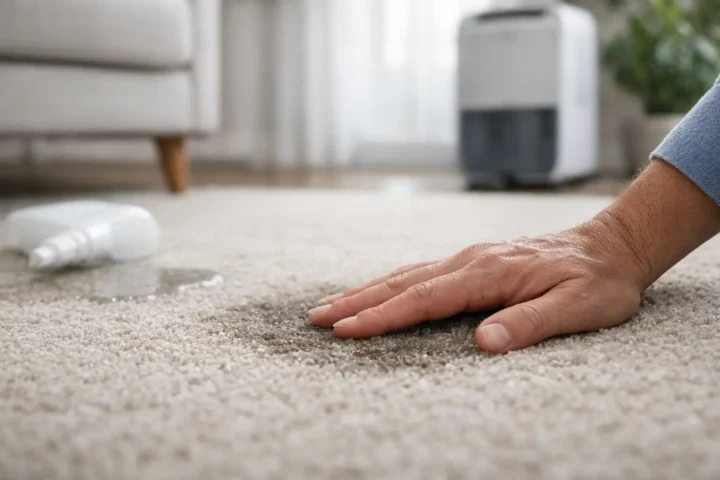
There is also the issue of moisture. Sweat, small spills and everyday humidity can seep below the surface. Even if a mattress dries on its own, leftover moisture can contribute to musty smells and create conditions where bacteria multiply. In some cases, there may even be early mould growth that is not obvious at first glance.
What mattress sanitising for families actually involves
Proper mattress sanitising for families goes beyond a quick vacuum or a spray from the supermarket aisle. The goal is to remove embedded soil, reduce allergens, treat odours and improve hygiene without leaving behind harsh chemical residues.
That usually starts with a close inspection. Stains, high-use areas and any signs of odour or moisture damage need to be identified first, because not every mattress needs the same treatment. A child’s mattress with drink spills calls for a different approach from a master bedroom mattress with heavy allergen buildup.
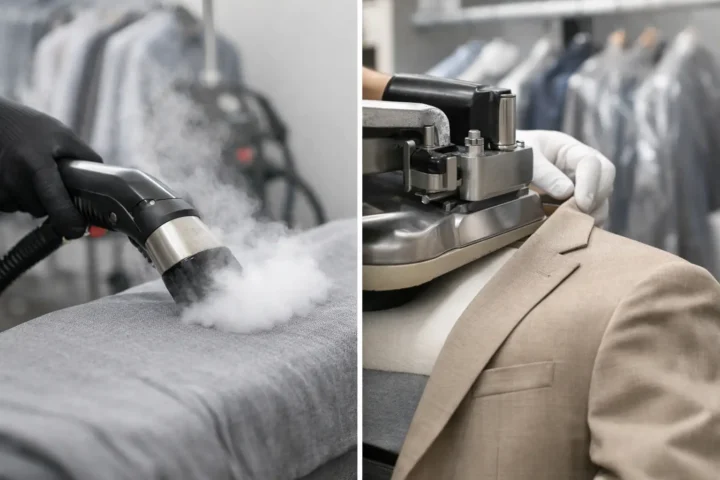
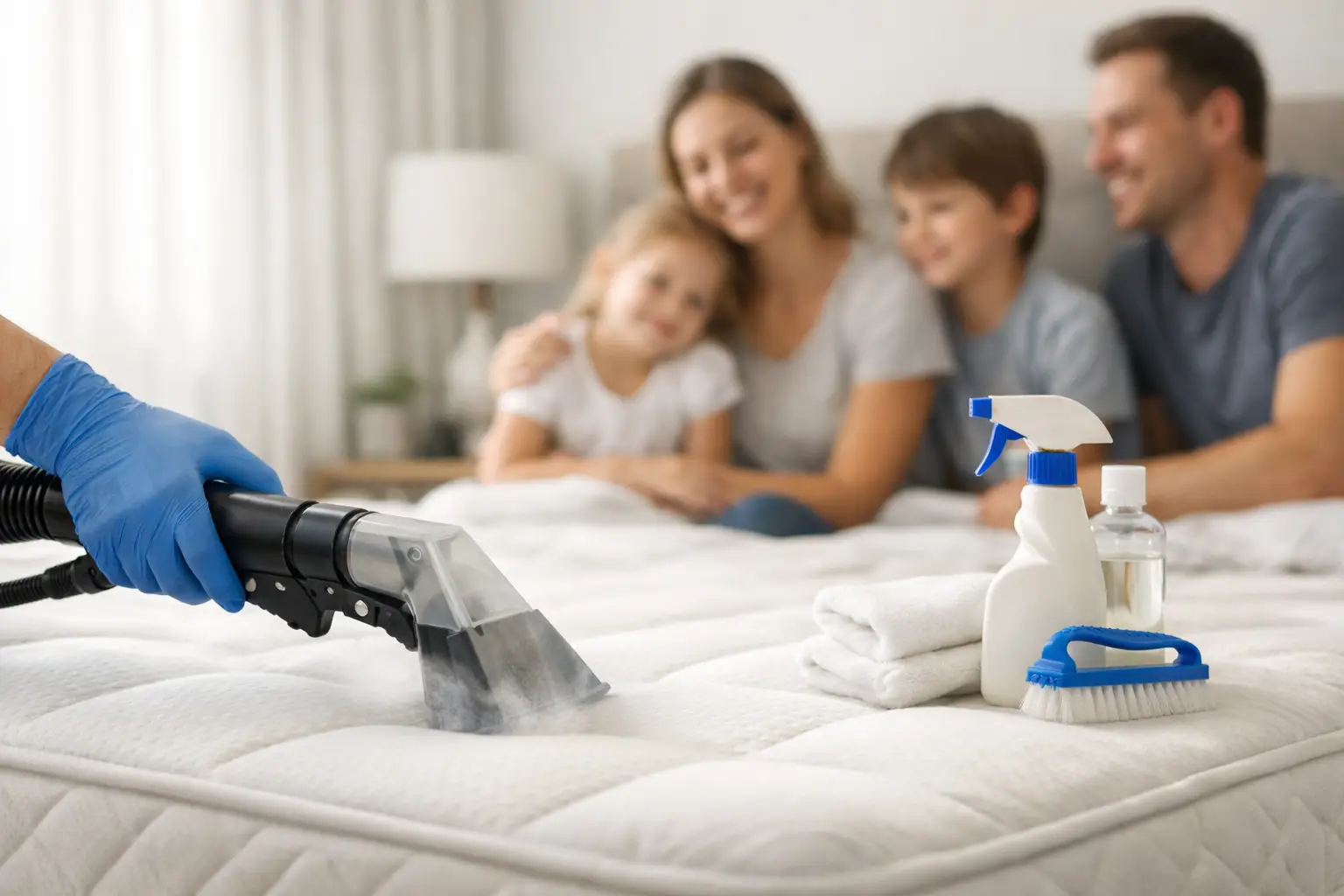
Professional sanitising commonly uses hot water extraction or low-moisture steam-based methods, paired with family-safe cleaning solutions. These methods are designed to lift contaminants from beneath the surface rather than just freshen the top fabric. Good extraction matters because it helps remove loosened soils and reduces drying time.
Deodorising may also be part of the process, especially in homes with pets or young children. The key is not to mask smells. A proper treatment targets the source of the odour, whether that is sweat, urine, spills or general organic buildup.
When home cleaning is enough, and when it is not
There is still plenty families can do between professional cleans. Regular vacuuming with an upholstery attachment helps remove surface dust and hair. Washing bedding weekly in hot water, rotating the mattress where appropriate, and using a quality mattress protector all make a real difference.
Sunlight and fresh air can help with light freshening too, if the mattress can be safely aired out. For very minor marks, spot cleaning with care may be enough. The catch is that DIY methods often deal with what you can see, not what has settled deeper into the mattress.
That is usually where families run into trouble. Too much water can soak the inner layers and make drying difficult. Store-bought sprays can leave residues or strong fragrances that are not ideal for sensitive households. Scrubbing stains aggressively can spread the problem or damage the fabric. If there is a urine accident, persistent odour, allergy concern or an older mattress that has never had a deep clean, a professional service is generally the safer option.
Signs your family mattress needs sanitising
Some signs are obvious. If the mattress smells stale, has visible staining or feels overdue for a proper clean, it probably is. Other signs are easier to miss.
If someone in the home wakes up congested, sneezes more at night or has irritated skin after sleeping, the mattress may be contributing. If a child has had accidents in bed, if pets sleep on the mattress, or if the mattress has not been professionally cleaned in a long time, hygiene levels may already be below where they should be.
Age matters too. Even with good bedding habits, mattresses collect a surprising amount of material over the years. Sanitising does not make an old mattress brand new, but it can improve freshness, reduce allergens and extend its usable life if the mattress is still structurally sound.
Choosing a family-safe cleaning approach
Families tend to care about two things at once – strong results and safe products. That is a fair expectation. Nobody wants a mattress full of residues, overpowering scents or unnecessary chemicals, especially where babies, kids or pets are concerned.
A safer approach uses biodegradable products where possible and focuses on effective extraction, not just surface treatment. It should also be transparent about drying times and realistic results. Not every stain will disappear completely, particularly old biological stains, but the hygiene improvement should still be worthwhile.
This is also where experience counts. Different mattress materials react differently to heat, moisture and cleaning agents. A trained technician knows how to adjust the process for the condition and fabric type, helping avoid overwetting or damage.
For households in Melbourne’s western suburbs, that balance of hygiene and safety is exactly what people are usually looking for. Green Lion Carpet Clean takes that practical approach – eco-friendly products, professional equipment and clear communication about what can be achieved.
How often should families sanitise a mattress?
There is no single rule that suits every home. For many families, a professional mattress sanitise every 6 to 12 months is a sensible range. If there are allergies, asthma concerns, pets on the bed, frequent accidents or heavy use, more regular cleaning may be worth it.
In lower-use rooms, such as a guest bedroom, less frequent sanitising may be enough. It really comes down to who uses the mattress and what it is exposed to. A bunk bed used by a school-aged child will have different cleaning needs from a spare room mattress that is slept on a few weekends a year.
The best approach is preventative. It is easier and more cost-effective to maintain a mattress than to leave years of buildup to become a harder problem.
Mattress sanitising for families with kids, pets or allergies
Some family situations need extra attention. If you have young children, hygiene issues are often tied to spills, accidents and sticky messes that soak in quickly. Fast treatment matters because the longer those stains sit, the harder they are to fully remove.
For pet owners, fur and muddy paws are only part of it. Pet odours can settle deep into soft furnishings, and repeated exposure often means smells return if the mattress is only surface-cleaned. Targeted odour treatment is usually more effective than basic deodorising.
If allergies are the main concern, the focus should be on allergen reduction rather than stain removal alone. That means looking at the whole sleep environment – mattress, pillows, protectors and surrounding upholstery – not just one item in isolation. A clean mattress helps, but it works best as part of a broader routine.
What to do after sanitising
Once the mattress has been cleaned, a few simple habits help keep it in better condition. Use a breathable mattress protector and wash it regularly. Change sheets weekly. Vacuum the mattress surface from time to time. Address spills straight away rather than hoping they will dry without leaving a trace.
It also helps to keep indoor humidity under control, especially in cooler months when bedrooms are shut up more often. Good airflow can reduce that damp, stale smell that tends to build up over time.
A mattress does not need constant attention, but it does need more than most families give it. When it is cleaned properly, the benefits are practical – a fresher bed, fewer lingering odours, reduced allergens and a sleep space that feels better for everyone using it.
For a busy household, that kind of clean is not about perfection. It is about making the home healthier in the places that matter most, starting with where your family rests each night.