

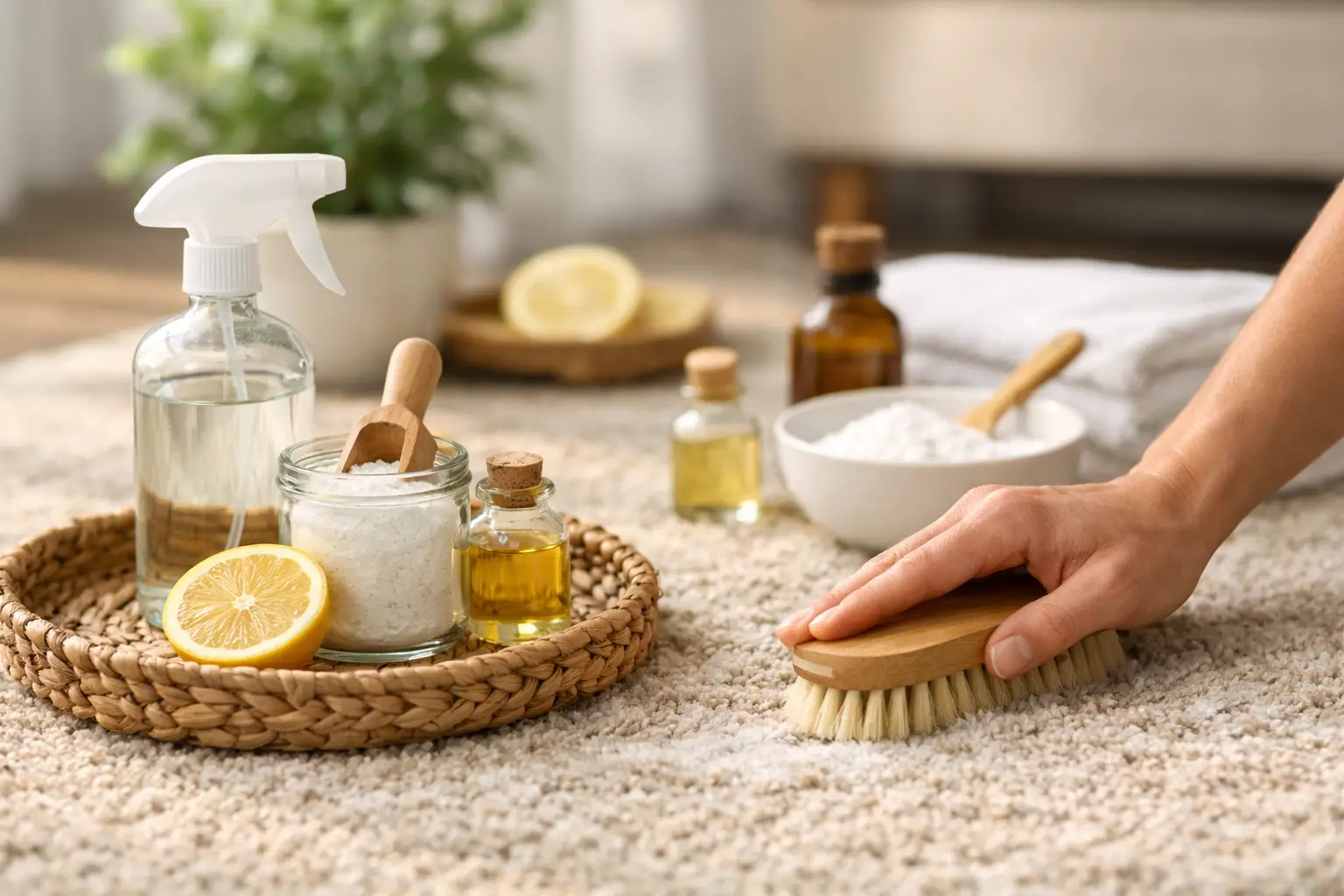
A carpet can look fine on the surface and still hold onto dust, odours, tracked-in grime and the sort of everyday mess that builds up slowly. If you have been wondering how to sanitise carpets naturally, the good news is that you can improve freshness and hygiene without filling your home with harsh chemical smells.
Natural carpet care works best when you are realistic about what it can and cannot do. It is excellent for freshening, reducing odours, managing light soil and keeping on top of day-to-day hygiene. But if a carpet has heavy staining, deep contamination, pet urine soaked into the underlay or long-term moisture issues, home methods will only go so far.
What natural carpet sanitising really means
When people say they want to sanitise a carpet naturally, they usually mean three things. They want to reduce bacteria and odours, lift out dirt that is trapped in the pile, and do it in a way that feels safer for children, pets and sensitive households.
That is a sensible goal, but it helps to be clear about the difference between cleaning, deodorising and true sanitising. Vacuuming removes loose soil. A bicarbonate of soda treatment can absorb smells. Mild natural cleaning solutions can help break down surface grime. None of that is quite the same as hospital-grade disinfection, and most carpets do not need that level of treatment anyway.
For most homes, the aim is practical hygiene – cleaner fibres, fewer smells, less dust and a healthier indoor feel.
How to sanitise carpets naturally without damaging them
The biggest mistake people make is using too much water or scrubbing too hard. Carpet fibres and backing do not respond well to soaking, and overwetting can leave you with musty smells that are worse than the original problem.
Start with a thorough vacuum. Go slowly, especially in high-traffic areas such as hallways, living rooms and near entrances. If you have pets, vacuum in more than one direction to lift embedded hair. This step matters more than people think because dry soil is easier to remove before you add any moisture.
Next, use bicarbonate of soda as a dry deodorising treatment. Sprinkle a light, even layer over the carpet and leave it for at least 30 minutes. If the room is not in use, a few hours is better. It helps absorb lingering odours and gives the carpet a fresher feel. Once it has had time to sit, vacuum it out completely.
If you need more than deodorising, move to spot-cleaning or a light overall treatment. A simple mix of warm water and a small amount of white vinegar can work well for general refreshing. The key is dilution. You are not trying to drench the carpet. Lightly mist the surface or apply with a clean cloth, then blot rather than scrub.
A safe basic solution for most carpets
For many synthetic carpets, a mild solution of warm water with a small splash of white vinegar is enough to freshen the fibres. Some people add a drop or two of dishwashing liquid, but keep it minimal. Too much soap leaves residue behind, and residue attracts more dirt.
Always patch test first in a hidden area. Carpet dyes and fibres vary, and even natural ingredients are not automatically safe for every material. Wool carpets need extra care, and vinegar can be too aggressive for some natural fibres if used incorrectly.
Why blotting beats scrubbing
Scrubbing pushes stains deeper, roughs up the pile and can spread the mess outward. Blotting with a clean white cloth lifts moisture and soil more gently. Work from the outside of the mark towards the centre so the stain does not expand.
This slower approach usually gives a better result, particularly on food spills, muddy footprints and general surface grime.
The best natural ingredients to use – and when to avoid them
Natural cleaning has its own trade-offs. Some ingredients are useful in the right setting, while others are overhyped or easily misused.
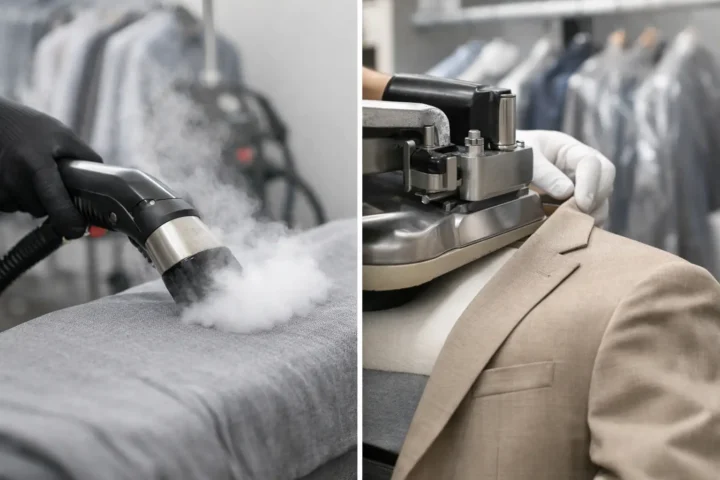
Bicarbonate of soda is one of the most reliable options for odour control. It is simple, affordable and suitable for routine freshening. White vinegar can help cut through mild grime and stale smells, but it should be diluted and used carefully. Steam is another effective option because heat helps loosen dirt and improve hygiene without relying on strong chemical products, although not every home machine extracts enough moisture well.
Essential oils are often promoted in DIY carpet recipes, but they are not always a good idea. Some can irritate sensitive people, and certain oils are unsafe around pets. They can also leave residue if overused. If your goal is a genuinely family-safe clean, plain and proven usually beats heavily scented.
Lemon juice is another one to be cautious with. It may sound fresh and natural, but it can affect colour and is not ideal on many carpet types. The same goes for homemade mixes involving multiple ingredients thrown together from the pantry. More is not better.
When natural methods work well
Natural carpet sanitising is most effective as part of regular maintenance. If your carpet has picked up cooking smells, feels a bit stale after winter, or has light traffic marks from daily family life, a vacuum, bicarbonate treatment and careful spot-clean can make a noticeable difference.
It is also a good option for households trying to reduce unnecessary chemical exposure. Parents with toddlers on the floor, pet owners, and renters wanting to keep a property presentable often prefer low-residue methods for routine upkeep.
In these situations, consistency matters more than intensity. A carpet that is maintained regularly is easier to keep hygienic than one left untouched until the dirt is obvious.
When DIY natural cleaning is not enough
There are times when the most sensible choice is professional cleaning, even if you prefer natural or eco-friendly products. If there is pet urine, mould risk, water damage, deep-set odour, large stained areas or a carpet that still smells dirty after treatment, the issue is usually below the surface.
That is where extraction equipment makes the difference. Deep cleaning removes what home methods cannot reach, especially in the backing and lower fibres. This matters in busy homes and commercial settings where the carpet carries a heavier load than it appears to.
A good professional service should also be able to explain what is realistic. Some stains can be improved rather than fully removed. Some odours need targeted treatment. Honest advice is part of good service.
How to sanitise carpets naturally if you have kids or pets
Homes with children and pets need a more practical approach than a perfect one. The goal is not to keep the carpet untouched. It is to deal with mess quickly, reduce residue and stop smells from settling in.
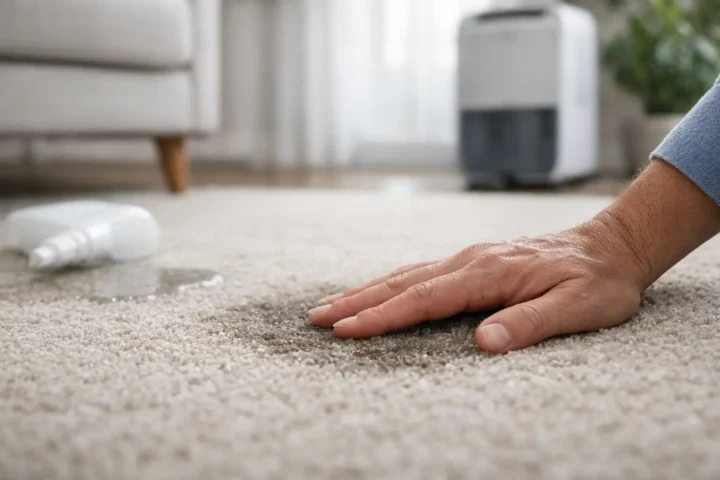
For accidents and spills, blot immediately with a dry cloth or paper towel to absorb as much as possible. Then use a mild water-based treatment and blot again. Avoid pouring cleaners directly onto the spot. Too much moisture can sink into the underlay and create a bigger hygiene problem.
With pet areas, regular vacuuming is essential because hair, dander and outdoor dirt build up fast. If there is a recurring pet odour, a surface freshen will not solve it for long. That usually points to contamination deeper in the carpet.
If anyone in the home has allergies or asthma, keep fragrances low and focus on soil removal rather than masking smells. A carpet that is free of dust and residue generally feels fresher on its own.
A simple routine that keeps carpets fresher for longer
If you want natural carpet care to work, think in terms of maintenance instead of rescue jobs. Vacuum weekly, or more often in busy areas. Treat spills straight away. Use bicarbonate of soda occasionally to manage odours. Keep shoes off the carpet where possible, and place mats at entry points to reduce what gets tracked in.
Every so often, step back and assess the carpet honestly. If the fibres still look dull, the room smells musty, or the stains return after drying, the carpet probably needs a deeper clean than DIY methods can provide.
For many households across Melbourne’s western suburbs, that balance works well – regular natural upkeep at home, with professional deep cleaning when the carpet needs a proper reset. It protects the look of the carpet, improves hygiene and helps the whole room feel cleaner.
A naturally fresher carpet is usually the result of small, sensible habits rather than one miracle treatment, and that is often the safest way to keep your home feeling clean and comfortable.


ProDentim is a modern oral-health supplement formulated with specialized probiotics and naturally sourced ingredients to help maintain firm teeth
ProDentim is a distinctive oral-care formula that pairs targeted probiotics with plant-based ingredients to encourage strong teeth, comfortable gums, and reliably fresh breath.
NerveCalm is a high-quality nutritional supplement crafted to promote nerve wellness, ease chronic discomfort, and boost everyday vitality.
AquaSculpt is a high-quality metabolic support supplement created to help the body utilize fat more efficiently while maintaining steady
GL Pro is a natural dietary supplement formulated to help maintain steady, healthy blood sugar levels while easing persistent sugar cravings.
PurDentix is a revolutionary oral health supplement designed to support strong teeth and healthy gums. It tackles a wide range of dental concerns, including gum inflammation and tooth decay
Backbiome is an advanced daily wellness supplement formulated to help support spinal comfort, reduce feelings of built-up tension, and promote freer, smoother movement throughout everyday life.
AquaSculpt is a high-quality metabolic support supplement created to help the body utilize fat more efficiently while maintaining steady